India responded with a high-tech military operation named Operation Sindoor after Pak-backed terrorists killed 25 tourists in Pahalgam last month. What made this operation different from the earlier military operations was the role of indigenous technology in it. Drones, satellites, radars, and smart missiles—all made in India—were used together to protect our land and hit back with precision.
India didn’t cross the border but still managed to eliminate terrorist bases using smart planning and high-tech tools.
On the night of May 7-8, Pakistan tried to attack Indian military bases using drones and missiles. But India’s Integrated Air Defence System (IADS) was ready. Using radar systems, mobile missile units like the AKASH missile system, and even legacy weapons like Pechora and OSA-AK guns, India stopped most threats before they could cause harm. AKASH missiles, made in India, locked onto multiple targets and destroyed them mid-air.
All branches of the Indian Armed Forces—Army, Navy, and Air Force—worked together through a smart system called IACCS (Integrated Air Command and Control System) to defend our skies. India also struck back with smart attacks. Using loitering munitions—also called “suicide drones”—our forces destroyed enemy radar systems and missile stations with perfect aim. These drones fly into enemy zones, search for targets, and then destroy them. Thanks to Indian technology, these strikes were quick, successful, and done without losing any Indian assets.
Our Air Force also used advanced electronic warfare systems to jam Pakistan’s Chinese-made air defence, finishing the mission in just 23 minutes! Drones are the new heroes of modern warfare. And India is becoming a leader in making them.
Organisations like Drone Federation of India (DFI) support over 550 drone companies. These companies are working on everything—from defence drones to delivery drones.
Some Indian drone makers include:
- Alpha Design Technologies (working with Israeli partners)
- Tata Advanced Systems
- Paras Defence & Space
- IG Drones, which has worked with the Indian Army

India has banned imported drones since 2021 and started a scheme to help local companies grow. With this boost, India aims to become a global drone hub by 2030, with our drone market expected to reach $11 billion.
Just a few years ago, India used to rely on other countries for high-tech military tools like satellite data and GPS navigation. But times have changed. In a recent conflict with Pakistan, India showed the world something powerful: we can now protect our nation using mostly our own technology, created by Indian scientists, engineers, and defence experts.
From advanced satellites in space to smart missiles and super-drones in the sky, India is now a high-tech military power. This success story is not just about weapons—it’s about science, teamwork, and the power of being “Aatmanirbhar”.
India’s defence system used to depend on help from other countries for things like GPS data and satellite surveillance. But not anymore.
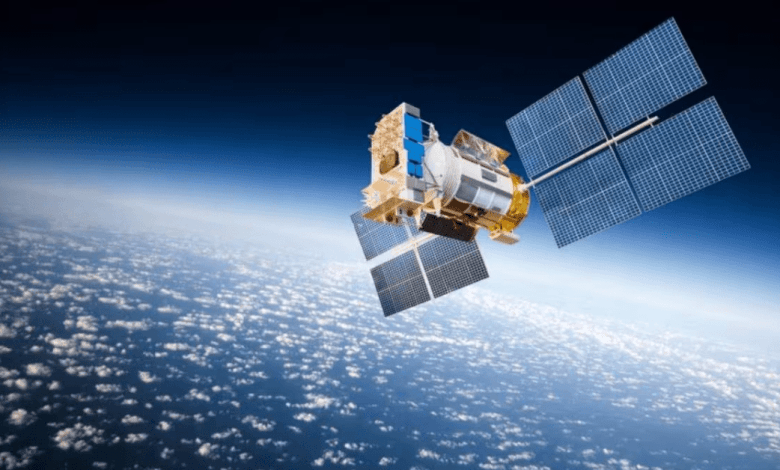
In the latest Indo-Pak conflict, India used its own satellites—like GARUDA, ROHINI, and NAVIC (our very own GPS)—to guide its defence actions. These satellites helped track enemy movements, guide missiles, and share communication between army bases, all without needing any foreign support.
NAVIC, which stands for Navigation with Indian Constellation, gave our armed forces accurate location data during operations. This meant our forces could plan attacks and protect themselves better—all while keeping everything secure from spying or hacking.
You may know ISRO (Indian Space Research Organisation) as the team behind space missions like Chandrayaan. But ISRO also plays a big role in our defence. Their satellites not only look at stars and planets—they help keep our borders safe. ISRO satellites provide real-time information about weather, terrain, and even enemy activity. This helped Indian forces during the recent conflict, as they received important data without any delays or outside help.
ISRO Chairman V. Narayanan said that around 10 Indian satellites are working non-stop to monitor our seas, borders, and airspace to ensure national safety. India has always had smart scientists and engineers. But now they are getting more support than ever before.
The government has increased funding for defence research and launched programmes like Make in India and Aatmanirbhar Bharat. As a result, young scientists are building futuristic weapons: hypersonic missiles, AI-powered systems, space-based radars, and even quantum communication tools. India is building everything from fighter jets and tanks to aircraft carriers and submarines, right here at home.
India’s growth in space and defence is now being recognised around the world. Our successful space missions like Chandrayaan and upcoming Gaganyaan show our scientific strength. With defence exports reaching ₹24,000 crore in 2024–25 and a goal of ₹50,000 crore by 2029, India is quickly becoming a trusted global defence partner.
Operation SINDOOR showed more than just military power—it showed that India can protect itself with its own science and innovation. From preventing attacks to hitting back smartly, India’s defence systems worked like a well-oiled machine. And behind that machine were scientists, engineers, and defence workers, all working to keep the country safe.
In the future, wars may be fought more with technology than with tanks. And India, with its own satellites, drones, and AI systems, is ready.
We are not just aiming for the skies—we are protecting them too. The journey of India’s technological rise has just begun. And it is powered by something stronger than any weapon: the brains and spirit of its people.