For years, many Indian parents have preferred private schools, believing they offer better English, stronger discipline and more modern facilities. Government schools, despite having trained teachers and low fees, often struggled with falling enrolment and an image problem.
Himachal Pradesh may now be showing that this trend can be reversed.
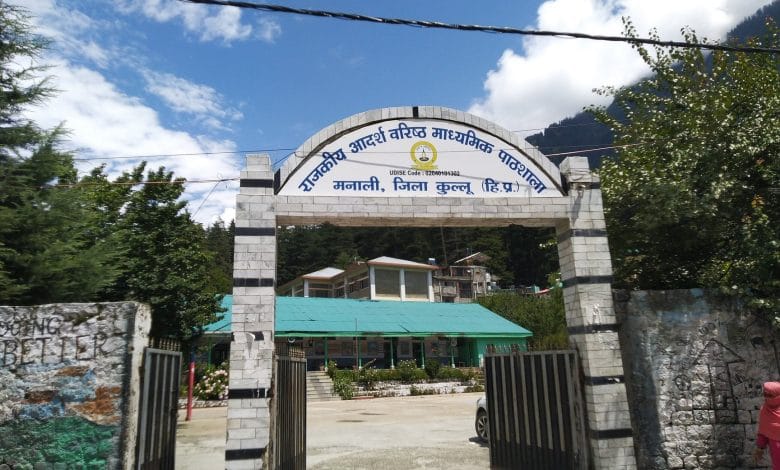
According to Chief Minister Sukhvinder Singh Sukhu, around 24,000 students have moved from private schools to 150 government schools following the introduction of the CBSE curriculum during the current academic year. The state government says the shift reflects growing confidence among parents in public education.
The change is important because parents do not usually shift their children from private to government schools without a strong reason. For many families, the attraction appears to be a nationally recognised curriculum, better academic choices and the possibility of receiving quality education without paying high fees.
Himachal Pradesh has secured CBSE affiliation for 151 government schools. The state has also announced plans to offer medical, non-medical and commerce streams in these schools, along with the appointment of subject teachers.
The early numbers are encouraging. Some schools have reported sharp increases in enrolment, including schools in Killar, Janjehli, Reckong Peo and Nerwa. However, the real test will be whether these students stay and whether learning levels improve over the next few years.
Changing the board alone will not transform a school.
Parents also want qualified teachers, regular classes, English-language support, science and computer laboratories, sports facilities, clean toilets and a safe environment. A CBSE signboard will create expectations, but those expectations must be matched by everyday performance.
English education is another major factor. Many parents choose private schools because they believe English-medium education will give their children greater confidence and better career opportunities. Government schools need to strengthen spoken and written English without making children feel ashamed of their mother tongue.
At the same time, education should not become limited to marks and board examinations. Students need communication skills, digital knowledge, creativity, sports and practical learning. They must be prepared not only for college entrance tests but also for life and future careers.
Government schools have several natural strengths. They are more affordable, available in rural areas and supported by public funds. Many also have well-qualified teachers selected through competitive recruitment. When proper infrastructure, accountability and updated teaching methods are added, they can compete strongly with private institutions.
A revival of government schools would benefit more than individual families. It could reduce the financial pressure of private-school fees and give children from different economic backgrounds an opportunity to study together.
But reforms must be carefully monitored. Teacher shortages, weak internet access, administrative delays and resistance to policy changes can slow progress. Thousands of primary teachers in Himachal Pradesh have also protested against the state’s School Complex System, showing that education reforms need consultation with teachers as well as parents.
Himachal Pradesh’s experience sends an encouraging message: parents have not completely lost faith in government schools. They are willing to return when they see visible improvement.
The question is no longer whether public schools can attract students. They clearly can.
The bigger challenge is whether they can provide consistent quality after the excitement of new admissions fades. If trained teachers, modern infrastructure, English support and strong accountability come together, government schools could once again become the first choice, not the last option.